Understanding Tolerance in Custom Aluminum Profile for Furniture Applications
When we manufacture custom aluminum profile for furniture systems, tolerance control is one of the most critical factors affecting product quality and installation performance. In this article, we explain what tolerance is, why it exists, the typical tolerance range, and how it impacts real furniture applications.
What Is Tolerance in Custom Aluminum Profile?
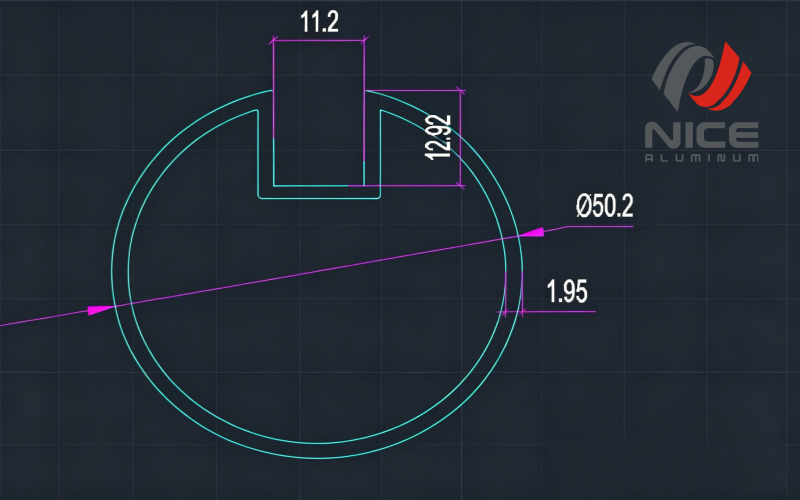
We define tolerance as the allowable deviation from the specified dimension in a custom aluminum profile. During aluminum extrusion production, it is impossible to achieve a perfect dimension every time, so a controlled variation range is accepted.We control tolerance in custom aluminum extrusion profiles within ±0.1mm to ±0.2mm based on profile complexity and application needs. Our aluminum profiles are manufactured in compliance with EN 755 and EN 12020 standards, ensuring high precision and stable performance. Precise tolerance control is essential in our furniture aluminum applications such as kitchen cabinet frames, wardrobe aluminum profiles, and glass door systems, where accurate fitting directly affects installation quality and product durability. For projects requiring tighter tolerance, we can customize production to meet specific technical requirements. Please note that stricter tolerance standards may result in higher production costs due to increased processing precision and inspection procedures. For example, if a profile width is designed as 20mm, the actual produced size may vary slightly within a defined tolerance range such as ±0.1mm. This ensures both manufacturability and functionality.
Custom Aluminum Profile Production Perspective
From our experience in custom aluminum profile production, tolerance is influenced by extrusion temperature, die accuracy, cooling speed, and alloy characteristics such as 6063 aluminum.
Why Does Tolerance Exist in Aluminum Extrusion?
We often explain to our clients that tolerance is unavoidable in custom aluminum profile manufacturing. Several physical and mechanical factors contribute to dimensional variation.
Material Behavior During Extrusion
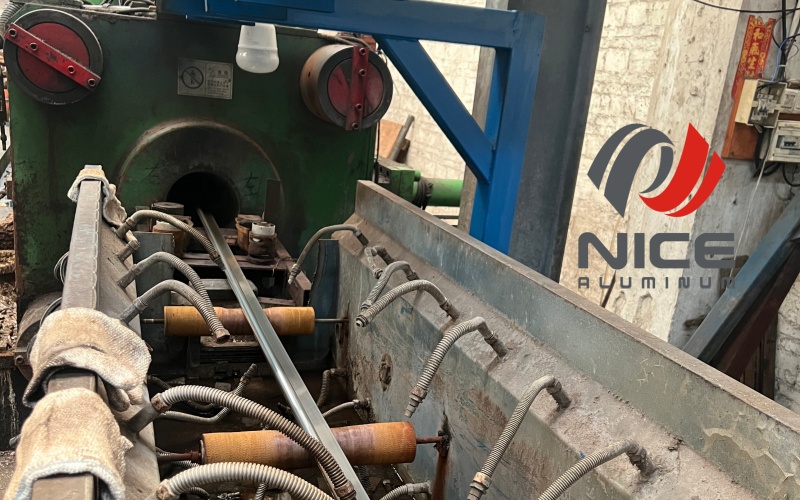
Aluminum becomes soft and flows under high temperature. During this process, slight expansion or contraction occurs, which directly affects the final dimension of the profile.
Die Wear in Custom Aluminum Profile Production
As we continuously produce profiles, extrusion dies gradually wear out. This results in minor dimensional changes over time, especially in high-volume production.
Cooling and Stretching Process
After extrusion, profiles are cooled and stretched to improve straightness. This step can also introduce slight dimensional deviations.
What Is the Tolerance Range for Custom Aluminum Profile?
Based on international standards and our factory experience, the tolerance range of custom aluminum profile depends on profile size, wall thickness, and application requirements.
General Tolerance Standard
Profile width: ±0.1mm to ±0.3mm
Wall thickness: ±0.05mm to ±0.15mm
Straightness: ≤1mm per meter
For high-precision furniture aluminum profile applications, we can control tighter tolerances through optimized die design and advanced production techniques.
High Precision Custom Aluminum Profile for Furniture Use
In applications such as sliding door systems, cabinet frames, and glass channels, we usually recommend tighter tolerance control to ensure smooth assembly and perfect alignment.
Impact of Tolerance on Furniture Aluminum Profile Applications
Tolerance directly affects how a custom aluminum profile performs in real furniture scenarios. From our production and export experience, improper tolerance can lead to installation problems and poor user experience.
Assembly Difficulty
If tolerance is too large, components may not fit properly. This is especially critical in custom aluminum profile for cabinet systems and sliding doors.
Appearance and Gap Issues
Loose tolerance may cause visible gaps between profiles, affecting the overall aesthetic quality of furniture products.
Hardware Compatibility
Many furniture systems rely on precise matching with hinges, connectors, and glass panels. Accurate custom aluminum profile production ensures compatibility with accessories.
How We Control Tolerance in Custom Aluminum Profile Production
To ensure stable quality, we implement strict control measures throughout the custom aluminum profile manufacturing process.
High-Precision Die Design
We design and test extrusion dies carefully to ensure dimensional accuracy from the beginning.
Advanced Extrusion Equipment
Using modern extrusion lines allows us to maintain consistent temperature and pressure, reducing dimensional variation.
Quality Inspection System
We perform dimensional checks at multiple stages, ensuring every batch meets tolerance requirements.
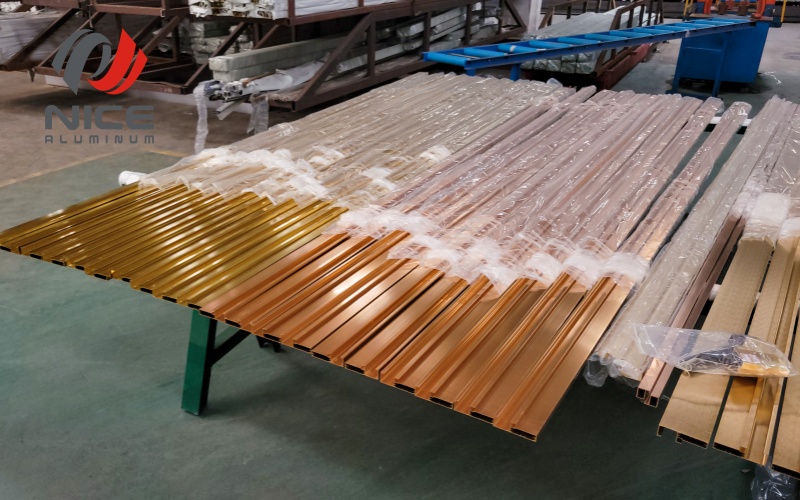
Custom Aluminum Profile Applications in Furniture Industry
Our custom aluminum profile solutions are widely used in various furniture applications:
Wardrobe sliding door systems
Wardrobe cabinet frames
Glass door track aluminum profiles
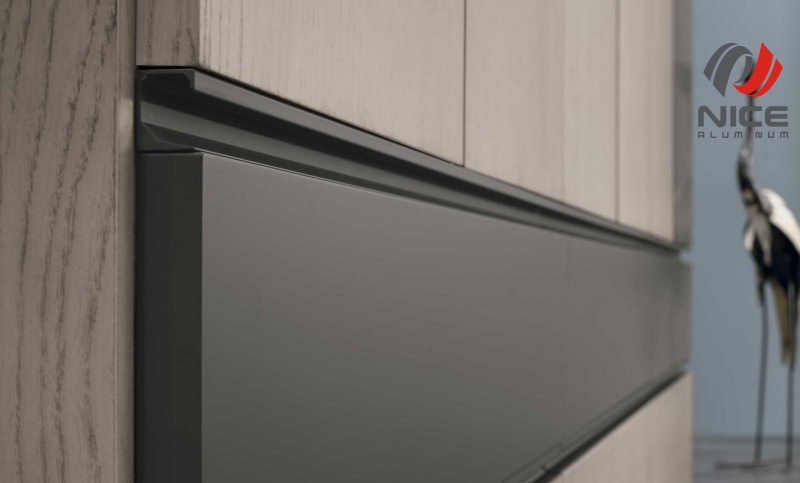
Cabinet handle profiles
Glass aluminum channels
Each application has different tolerance requirements, and we always optimize production accordingly.
Conclusion: Why Tolerance Matters in Custom Aluminum Profile
From our perspective as a manufacturer, tolerance is not just a technical parameter—it directly impacts product quality, installation efficiency, and customer satisfaction.
By controlling tolerance in custom aluminum profile production, we help our clients achieve better performance in furniture applications and reduce installation issues.
If you are looking for reliable custom aluminum profile solutions, we can provide one-stop service from design to production.
Looking for a Reliable Aluminum Profile Manufacturer?
As an experienced aluminum extrusion manufacturer, we provide:
Custom aluminum extrusion solutions
Strict tolerance control
OEM & ODM services
Advanced surface treatments
Click Here ,Contact us Today to get professional support and customized solutions for your project.
You can also explore our related products here:Furniture Aluminum Profile
Frequently Asked Questions (FAQ) About Aluminum Profile Tolerance
What is tolerance in custom aluminum profiles?
Tolerance in custom aluminum profiles refers to the allowable variation in dimensions during the extrusion process. It ensures that aluminum profiles can fit correctly in real applications such as furniture systems, cabinet frames, and sliding door structures. Proper tolerance control is essential for both assembly accuracy and product performance.
What tolerance can you control for custom aluminum profiles?
We typically control the tolerance of custom aluminum profiles within ±0.1mm to ±0.2mm, depending on the profile design and application requirements. Our production standards comply with EN 755 and EN 12020, ensuring consistent quality and dimensional accuracy.
Do you follow international standards for aluminum profile tolerance?
Yes, our aluminum extrusion production strictly follows international standards such as EN 755 and EN 12020. These standards define dimensional tolerance, straightness, and mechanical properties to ensure high precision and reliability for industrial and furniture applications.
Why is tolerance important in furniture aluminum applications?
Tolerance is critical in furniture aluminum applications such as kitchen cabinet frames, wardrobe systems, and glass door profiles. Accurate tolerance ensures smooth installation, proper alignment, and long-term durability, especially when combining aluminum with glass, panels, or hardware components.
What applications require strict tolerance control?
Strict tolerance control is required in applications like aluminum kitchen cabinet frames, wardrobe sliding systems, and glass door aluminum accessories. These applications demand precise fitting to ensure stability, aesthetics, and ease of installation.
Can you customize tolerance based on project requirements?
Yes, we can adjust tolerance levels based on customer requirements and specific project needs. Our engineering team evaluates the feasibility and optimizes the extrusion process to achieve the desired precision.
Does tighter tolerance increase production cost?
Yes, tighter tolerance control usually increases production costs. This is because higher precision requires more advanced tooling, stricter quality inspection, and slower production speeds. However, it ensures better product performance and assembly efficiency.
How do you ensure tolerance accuracy during production?
We ensure tolerance accuracy through high-quality aluminum billets, precise extrusion dies, controlled temperature processing, and strict quality inspection procedures. Each profile is checked to meet required specifications before delivery.

 Email
Email Whatsapp