How Should the Furniture Industry Choose Between Anodized and Powder Coated Aluminum Profiles?
Understanding the differences between these treatments helps furniture manufacturers select the best solution for different applications and market demands.In modern furniture manufacturing, choosing the right surface treatment for aluminum profiles directly affects product durability, appearance, corrosion resistance, and customer satisfaction. For cabinets, wardrobes, bathroom vanities, sliding doors, and handle systems, the two most common surface finishes are anodizing and powder coating. In the furniture industry, there is no single surface treatment that fits every project.
Anodized aluminum profiles are usually better for modern minimalist furniture that requires a premium metallic texture, strong scratch resistance, and long-term color stability.
Powder coated aluminum profiles are often preferred when customers need richer color choices, matte textures, stronger moisture protection, or decorative flexibility.
For cabinets, wardrobes, bathroom vanities, and sliding door systems, the right choice depends on the application environment, product positioning, and visual style rather than price alone.
What Is the Anodized Layer on Aluminum Profiles?
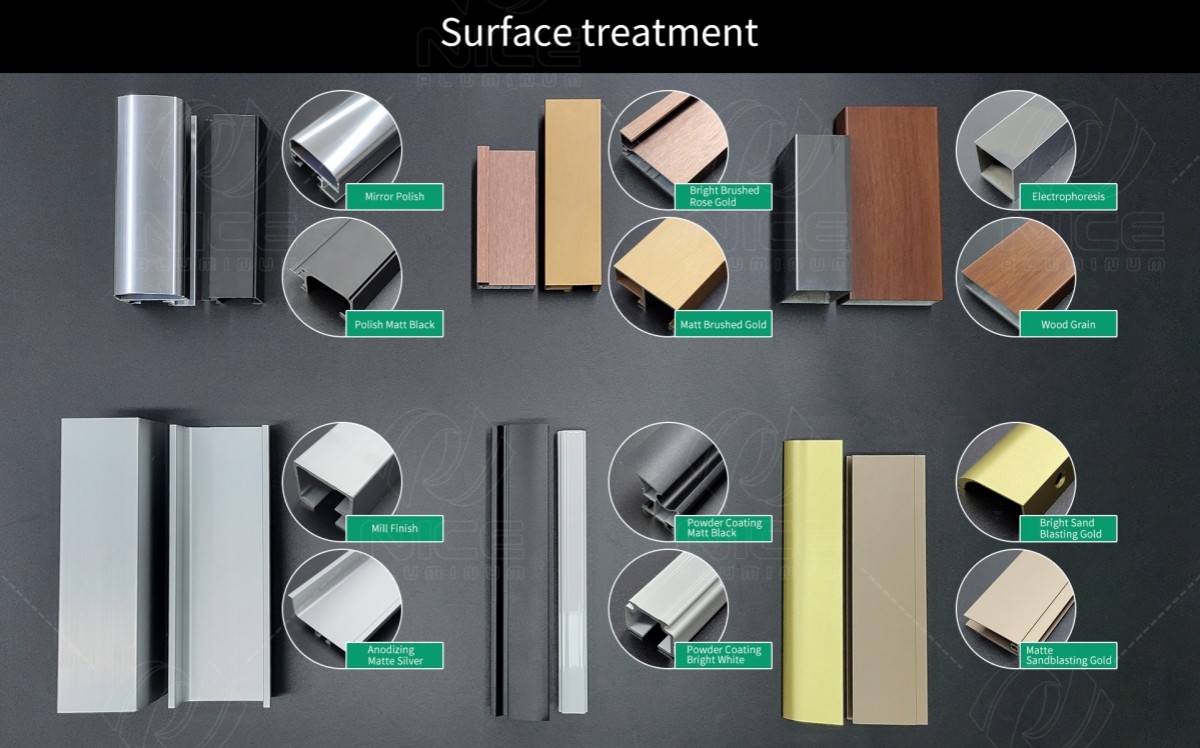
The anodized layer is a protective oxide film created through an electrochemical process on the surface of aluminum. Instead of adding paint onto the aluminum, anodizing converts the outer surface into a dense aluminum oxide layer that becomes part of the metal itself. This oxide film is measured in microns (μm), and common furniture industry standards are usually between 10–15μm for indoor furniture applications. Because anodizing preserves the natural metallic texture of aluminum, it is widely used in cabinet handles, Gola profiles, wardrobe frames, and modern furniture systems where a clean and premium metal appearance is important.
What Is Powder Coating Thickness?
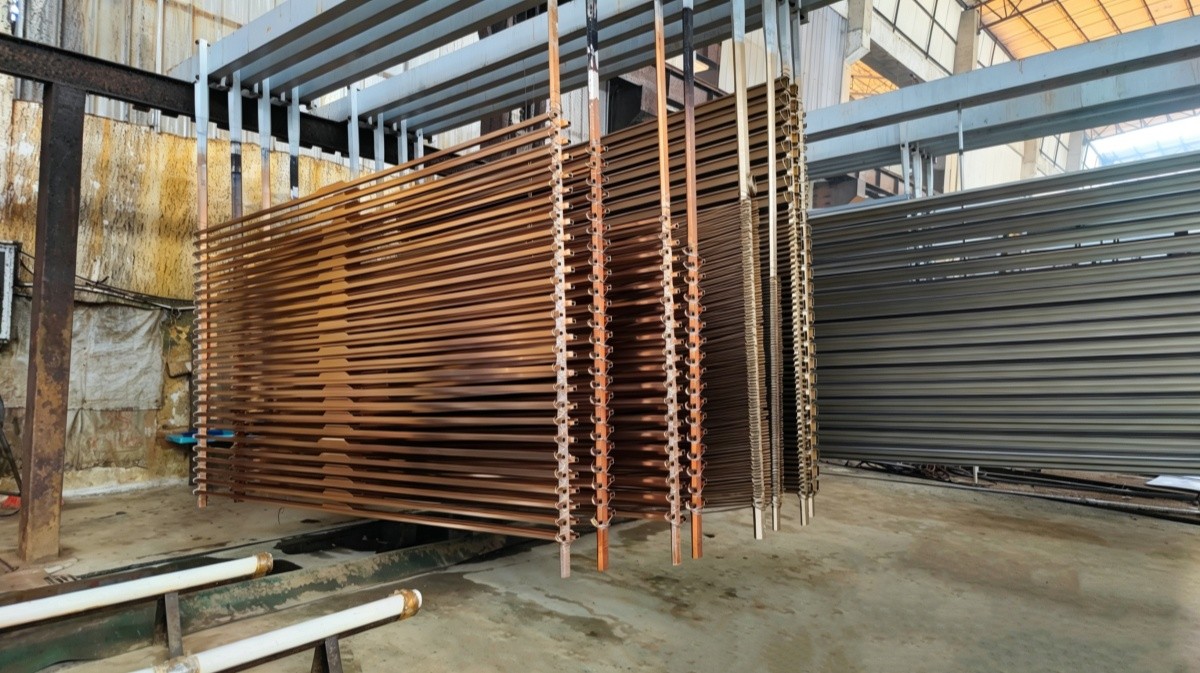
Powder coating thickness refers to the thickness of the protective coating applied to the aluminum surface during the powder coating process. Unlike anodizing, powder coating creates a separate external layer that fully covers the aluminum profile. The coating is sprayed onto the surface as dry powder and then cured at high temperature to form a durable finish. In furniture manufacturing, powder coating thickness is commonly around 60–80μm, while higher-end or heavy-duty applications may use coatings above 100μm. The thicker coating provides strong protection and allows more flexibility for matte finishes, textured surfaces, wood grain effects, and custom colors.
What Are the Functions of the Anodized Layer and Powder Coating?
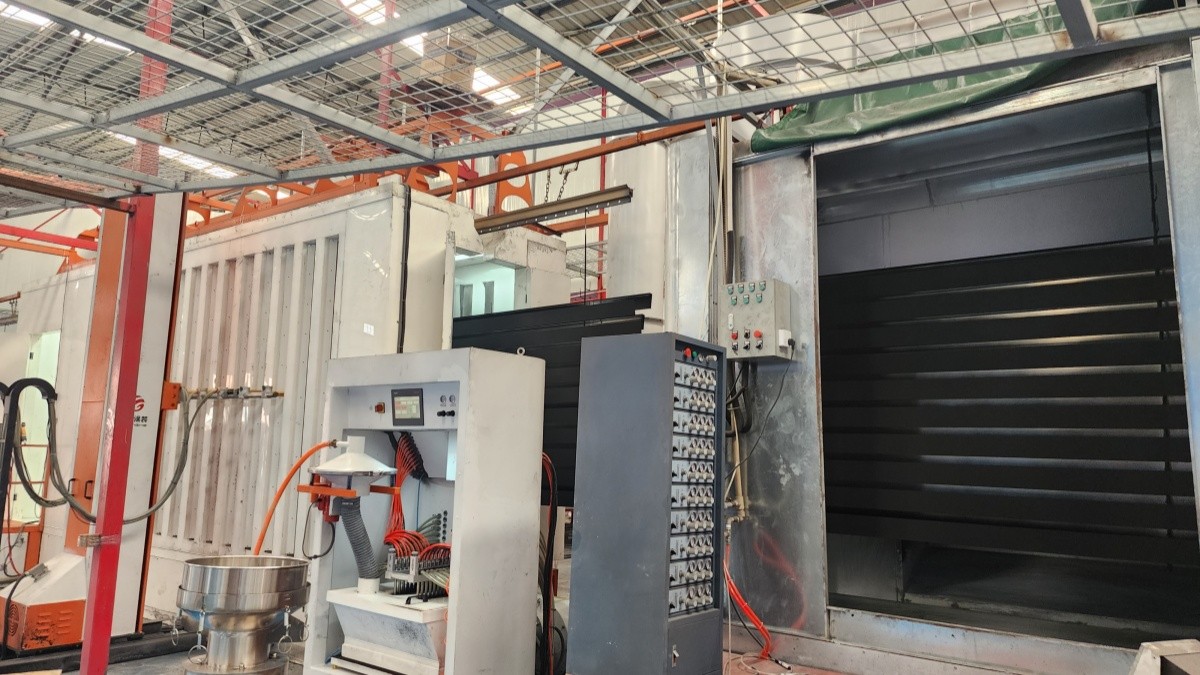
The anodized layer mainly improves corrosion resistance, wear resistance, and metallic appearance. A thicker anodized film helps protect aluminum against moisture, oxidation, stains, and daily scratches, making it suitable for high-touch furniture components such as cabinet handles and sliding door frames. It also maintains the brushed or metallic effect of aluminum, which is difficult to replicate with painted finishes.
Powder coating, on the other hand, focuses more on environmental protection and decorative versatility. Its thicker coating provides excellent resistance against humidity, chemicals, and salt air while supporting a much wider range of colors and textures. Powder coated aluminum profiles are especially popular for bathroom cabinets, colored furniture systems, and projects requiring matte or anti-fingerprint finishes.
What can We do ?
With years of experience in furniture aluminum profile manufacturing, we provide complete surface finishing solutions covering anodizing, powder coating, brushed finishes, sandblasting, and customized decorative treatments for cabinets, wardrobes, sliding doors, and bathroom furniture systems. Our production capabilities support anodizing thickness from 10–20μm and powder coating thickness from 60–120μm, ensuring excellent corrosion resistance, scratch resistance, and long-term color stability for different furniture applications. Through strict quality control processes, including surface pretreatment, thickness inspection, color consistency management, and adhesion testing, we maintain stable finishing quality across large production batches. We also support customized colors, textured finishes, matte effects, anti-fingerprint coatings, and RAL color matching to meet modern furniture design requirements. With extensive application experience in Gola profiles, cabinet handles, wardrobe frames, glass door systems, and minimalist furniture projects, we help customers achieve both premium appearance and reliable product performance.
--Leave us a message--How Do We Recommend Customers Choose?
We usually recommend anodized aluminum profiles for customers producing high-end modern cabinets, wardrobe systems, Gola handles, and brushed aluminum furniture where metallic texture and scratch resistance are priorities. For these products, anodizing thicknesses of 10–15μm are generally suitable, while humid environments may require 15μm or higher.
Powder coated aluminum profiles are more suitable for bathroom furniture, decorative furniture systems, matte black designs, and projects requiring customized colors or stronger moisture resistance. In most furniture applications, coating thicknesses around 70–80μm provide a good balance between durability and appearance.
Rather than choosing based only on cost, we always suggest selecting the surface treatment according to the actual usage environment, design expectations, and long-term durability requirements of the furniture project. The correct finish not only improves product quality but also helps furniture brands create a more premium and competitive final product.

 Email
Email Whatsapp