
How Do the Aluminum Door Slide Track Work?
As a custom aluminum door slide track manufacturer, I often explain to buyers that an aluminum door slide track is the structural rail system that guides sliding doors to move smoothly and quietly while supporting the weight of glass, wood, wardrobe, cabinet, and partition doors. The track works by combining precision-extruded aluminum channels with rollers, stoppers, and guide accessories that reduce friction and maintain door alignment. Because aluminum has excellent strength, corrosion resistance, and machining flexibility, it has become the preferred aluminum rail for sliding doors in residential furniture, wardrobes, office partitions, and commercial interior systems. In our factory, we develop custom anodized aluminum sliding track solutions and OEM profiles according to the customer's door structure, weight requirements, and installation environment to ensure long-term durability and stable sliding performance.
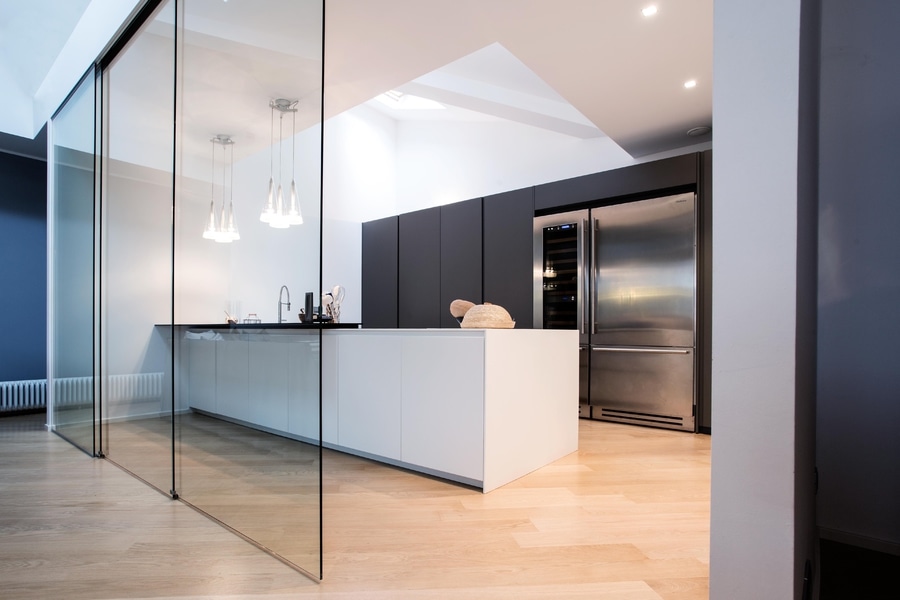
Understanding How Aluminum Door Slide Tracks Work
How to Install the Aluminum Door Slide Track?
In my experience as an OEM sliding door aluminum profile factory, successful installation begins with selecting the correct upper and lower track dimensions and ensuring that the mounting surface is level. I normally recommend fixing the aluminum track with screws or concealed fasteners, installing the rollers according to the door weight, and then adjusting the door height and stopper positions. Proper alignment between the top and bottom tracks is essential because even a small installation error can create noise, increase roller wear, and shorten the service life of the entire sliding system.
What Are the Usage Scenarios?
I have supplied aluminum door slide track systems for wardrobe doors, kitchen cabinets, room dividers, office partitions, shower enclosures, and commercial display systems. Different applications require different structural designs. Lightweight cabinet doors often use narrow profiles with compact rollers, while large glass partitions require thicker extrusions and reinforced accessories. As a custom extruded sliding door track supplier, I frequently design profiles with customized wall thicknesses, surface finishes, and machining details to match the customer's application requirements.
Which Accessories Match Which Doors?
Based on my manufacturing experience, lightweight MDF and wardrobe doors usually work with nylon rollers and compact stoppers, while tempered glass doors require heavy-duty rollers, anti-jump devices, and stronger guide components. Soft-closing mechanisms are commonly added to premium furniture systems to improve user experience. When I develop custom aluminum door slide track solutions, I always evaluate door material, panel thickness, and load capacity before recommending rollers, end caps, dampers, and guide systems because the correct accessories directly affect sliding performance and service life.
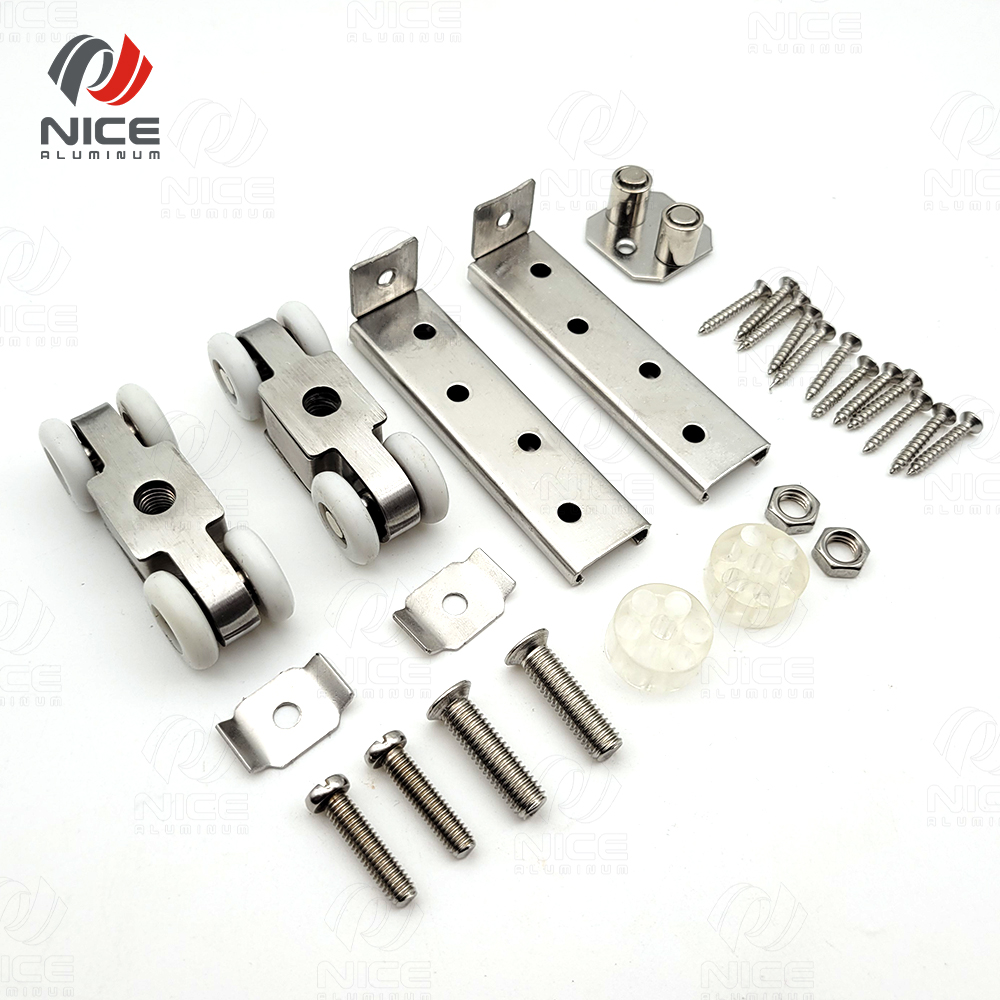
Aluminum Door Slide Track Properties
| Property | Description |
|---|---|
| Material | 6063-T5/T6 Extruded Aluminum Alloy |
| Surface Finish | Anodized, Powder Coated, Brushed, Wood Grain |
| Applications | Wardrobes, Cabinets, Glass Doors, Partitions |
| Customization | OEM Extrusion, CNC Machining, Drilling, Cutting |
| Advantages | Corrosion Resistance, Lightweight, Smooth Sliding, Long Service Life |
Partner with a Professional Sliding Door Track Manufacturer
As a manufacturer specializing in furniture aluminum profiles, I understand that every sliding door system has unique structural requirements. Our factory provides custom aluminum door slide track manufacturing, profile extrusion, anodizing, machining, and complete accessory matching services. By combining engineering experience with strict quality control, I help customers develop reliable aluminum rail for sliding doors that improve product performance and accelerate market launches. Whether you need a new profile design or an upgrade to an existing system, I can support your project from concept to mass production.
FAQ
What material is commonly used for aluminum door slide tracks?
I generally recommend 6063 aluminum alloy because it offers an excellent balance of strength, corrosion resistance, and surface finishing quality.
Can aluminum sliding tracks be customized?
Yes. I regularly customize dimensions, wall thickness, machining details, and surface finishes according to customer requirements.
Why is anodizing important for sliding door tracks?
From my experience, anodizing improves wear resistance, corrosion protection, and the appearance of the profile, especially in humid environments.
How do I choose the right roller accessories?
I always select rollers based on door weight, material, and opening frequency because incorrect accessories can significantly reduce service life.
Can one sliding track design fit all door types?
No. I have found that different doors require different profile structures and accessory combinations, which is why customized engineering solutions deliver the best long-term performance.

 Email
Email Whatsapp